
Dubai is one of the most popular travel destinations in the Middle East. The city combines modern architecture, luxury shopping, beaches, desert adventures, traditional markets, and international cuisine.
A well-planned trip can include famous attractions and quieter cultural experiences. Dubai also has a strong public transport network, many accommodation choices, and activities for different budgets.
This Dubai travel guide explains what to see, where to stay, how to get around, when to visit, and how to plan your trip without making the itinerary too crowded.
Dubai Travel Overview
| Travel Detail | Information |
| City | Dubai |
| Country | United Arab Emirates |
| Currency | UAE Dirham (AED) |
| Main Airport | Dubai International Airport (DXB) |
| Best Season | November to March |
| Main Languages | Arabic and English |
| Recommended First Trip | 4–7 days |
| Main Experiences | Shopping, beaches, culture, desert, architecture |
Dubai’s official tourism platform provides planning information covering accommodation, transportation, currency, weather, safety, attractions, and visa guidance.
Dubai Map and Main Tourist Areas
Use an interactive map when planning your trip because Dubai’s attractions are spread across different parts of the city.
Important Places to Mark on Your Map
- Downtown Dubai
- Dubai Marina
- Palm Jumeirah
- Jumeirah
- Deira
- Bur Dubai
- Dubai Creek
- Dubai Mall
- Dubai International Airport
- Dubai Desert Conservation Reserve
The official Dubai tourism website also provides an interactive map for exploring attractions and locations across the city.
Suggested route for a first visit:
Deira → Bur Dubai → Downtown → Jumeirah → Palm Jumeirah → Dubai Marina → Desert
This arrangement can help reduce unnecessary travel between distant areas.
Why Visit Dubai in 2026?
Dubai continues to offer a mixture of established landmarks and new attractions. The city’s tourism resources currently highlight architecture, culture, food, shopping, entertainment, beaches, wellness, and adventure experiences.
The destination can suit families, couples, solo travelers, luxury visitors, and budget-conscious tourists.
One of Dubai’s biggest advantages is variety. You can visit a historic souk in the morning, explore a modern landmark in the afternoon, and experience the desert before sunset.
Best Places to Visit in Dubai
1. Burj Khalifa
Burj Khalifa is one of Dubai’s most recognizable landmarks. Standing at 828 meters, it is the world’s tallest building.
Visitors can access observation areas for panoramic views across the city. The surrounding Downtown Dubai area also offers restaurants, shopping, and other attractions.
For a first-time visitor, combining Burj Khalifa with Dubai Mall makes sense because both attractions are located in the same major district.
2. Dubai Mall
Dubai Mall is much more than a traditional shopping center. It combines retail, entertainment, dining, and family attractions.
The mall is located beside Burj Khalifa and is easy to include in a Downtown itinerary.
If shopping is not your main interest, you can still visit for its restaurants, entertainment venues, and nearby attractions.
3. Dubai Marina
Dubai Marina is known for its waterfront skyline, restaurants, walking areas, and leisure experiences.
A marina cruise can provide a different perspective of Dubai’s modern architecture. Evening visits are particularly attractive because the illuminated skyline creates a different atmosphere.
The area is also convenient for travelers who want restaurants and entertainment close to their accommodation.
4. Palm Jumeirah
Palm Jumeirah is Dubai’s famous artificial island shaped like a palm tree.
The area contains hotels, restaurants, beaches, attractions, and viewpoints. Travelers can explore the island by road, monorail, taxi, or other transport options.
The View at The Palm offers elevated views over Palm Jumeirah and the surrounding coastline. Dubai’s official 2026 city guide lists it among the city’s iconic sights.
5. Dubai Creek
Dubai Creek shows a more traditional side of the city.
The waterfront connects with historic areas and traditional abra boats. It is a useful place to experience older Dubai rather than focusing only on skyscrapers.
Visiting the creek around sunset can make the experience more enjoyable.
6. Al Fahidi Historical Neighbourhood
Travelers interested in culture should include Al Fahidi Historical Neighbourhood in their itinerary.
The area provides a glimpse into Dubai’s earlier architecture and heritage. Narrow lanes, traditional buildings, galleries, and cultural spaces create a slower atmosphere than modern Downtown.
This is a good place to balance a Dubai trip filled with malls and skyscrapers.
7. Dubai Frame
Dubai Frame offers views that highlight the contrast between older and newer parts of the city.
The attraction stands in Zabeel Park and reaches 150 meters high, according to Dubai’s official city guide.
It can be combined with Zabeel Park and nearby areas during a half-day itinerary.
8. Jumeirah Beach
Jumeirah offers a classic Dubai beach experience.
Travelers can enjoy views of the coastline, relax by the water, or combine the beach with nearby restaurants and attractions.
For a more active experience, Kite Beach is another popular option and offers watersports and family-friendly activities.
9. Desert Safari
A Dubai trip feels incomplete for many visitors without experiencing the desert.
Desert activities can include dune experiences, sunset viewing, traditional-style camps, cultural entertainment, and dinner.
Choose an operator carefully and check what the package actually includes before booking.
10. Souk Madinat Jumeirah
Souk Madinat Jumeirah combines traditional Arabian-inspired architecture with restaurants, shops, and waterways.
It is particularly useful for travelers who want photographs and an evening experience near the Jumeirah area.
Dubai’s official city guide describes the souk as a destination filled with alleys, lanterns, scents, spices, and artisanal souvenirs.
Best Time to Visit Dubai
Dubai has a hot desert climate, so the season can strongly affect your travel experience.
November to March
These months are generally popular for outdoor sightseeing because temperatures are more comfortable than during the hottest part of the year.
This period works well for beaches, desert activities, walking tours, and outdoor attractions.
April to May
Temperatures become warmer, but travelers can still enjoy Dubai by planning outdoor activities earlier or later in the day.
Hotels and attractions may offer different seasonal deals, so compare prices before booking.
June to September
Summer can be extremely hot outdoors. However, Dubai has extensive indoor entertainment, shopping, dining, and air-conditioned attractions.
Travelers visiting during summer should plan outdoor activities around cooler hours.
October
October can provide a transition toward more comfortable weather. It can be useful for travelers who want to avoid the peak winter period while still enjoying outdoor activities.
How Many Days Do You Need in Dubai?
A first-time visitor can experience the main highlights in 4–7 days.
4-Day Dubai Itinerary
Burj Khalifa, Dubai Mall and Downtown
Dubai Marina, JBR and Palm Jumeirah
Old Dubai, Dubai Creek, Al Fahidi and traditional souks
Desert safari and evening dinner
5-Day Dubai Itinerary
Add Jumeirah Beach, Souk Madinat Jumeirah, Dubai Frame, or another attraction on the fifth day.
7-Day Dubai Itinerary
With seven days, you can slow down and add shopping, beach time, cultural attractions, restaurants, and a day trip.
Avoid filling every hour with paid attractions. Leave some free time because Dubai’s distances and traffic can make an overloaded schedule tiring.
How to Get Around Dubai
Dubai offers several transportation options. The official tourism authority describes public transportation and other city transport options as reliable ways to move around the destination.
Dubai Metro
The Metro is useful for many popular tourist areas and can help avoid road traffic.
It is especially convenient for travelers staying near a Metro station.
Taxis
Taxis are practical when traveling between attractions that are not close to Metro stations.
They can also save time when traveling with family or luggage.
Buses
Dubai’s bus network connects areas not directly served by Metro routes.
Walking
Walking works well within individual districts. However, Dubai’s heat and large distances can make long walks uncomfortable during warmer months.
Where to Stay in Dubai
Your choice of neighborhood can change your experience.
Downtown Dubai
Best for first-time visitors who want quick access to Burj Khalifa, Dubai Mall, and central attractions.
Dubai Marina
Good for travelers who prefer a modern waterfront atmosphere, restaurants, and nightlife.
Deira
A useful option for travelers looking for traditional markets, older Dubai, and potentially more affordable accommodation.
Bur Dubai
Suitable for travelers interested in heritage areas, local food, and convenient access to older parts of the city.
Palm Jumeirah
Best suited to travelers prioritizing resorts, beaches, and luxury experiences.
Dubai’s official tourism resources state that the city offers accommodation options for different budgets and travel styles.
Dubai Travel Cost
Dubai can be affordable or very expensive depending on how you plan your trip.
Your main expenses usually include:
- Flights
- Hotel
- Food
- Local transportation
- Attraction tickets
- Desert activities
- Shopping
- Travel insurance
Budget Travel
Budget travelers can reduce costs by choosing simple hotels, using public transport, eating at local restaurants, and limiting expensive attractions.
Mid-Range Travel
A mid-range trip can combine a comfortable hotel, restaurants, public transport, taxis, and several major attractions.
Luxury Travel
Luxury travelers have access to premium hotels, private experiences, fine dining, chauffeur services, and exclusive activities.
Important: Dubai prices change by season and demand. Check current hotel and attraction prices before publishing exact costs in an article or booking a trip.
Dubai Visa Information
Visa requirements depend on your nationality and travel circumstances.
The UAE government advises travelers to check whether they need a visa or entry permit before traveling. Some nationalities can receive visa-free entry or visa on arrival, while others need to arrange a visa in advance.
Tourist visas can be available through approved channels, including airlines, hotels, and travel agents, depending on eligibility.
Because visa rules can change, travelers should verify requirements through official UAE government resources before booking flights.
Dubai Food Guide
Dubai offers an enormous range of international food.
Travelers can find Middle Eastern dishes, South Asian cuisine, seafood, Arabic sweets, Turkish food, Indian restaurants, and international dining.
Foods Worth Trying
- Shawarma
- Arabic mezze
- Hummus
- Grilled meats
- Falafel
- Machboos
- Luqaimat
- Arabic coffee
- Dates
For a more authentic experience, do not limit your meals to international hotel restaurants. Explore local neighborhoods and traditional dining areas as well.
Dubai Shopping Guide
Shopping is one of Dubai’s major attractions.
The city offers huge modern malls, traditional souks, luxury stores, independent shops, and seasonal shopping events.
Popular Shopping Areas
- Dubai Mall
- Mall of the Emirates
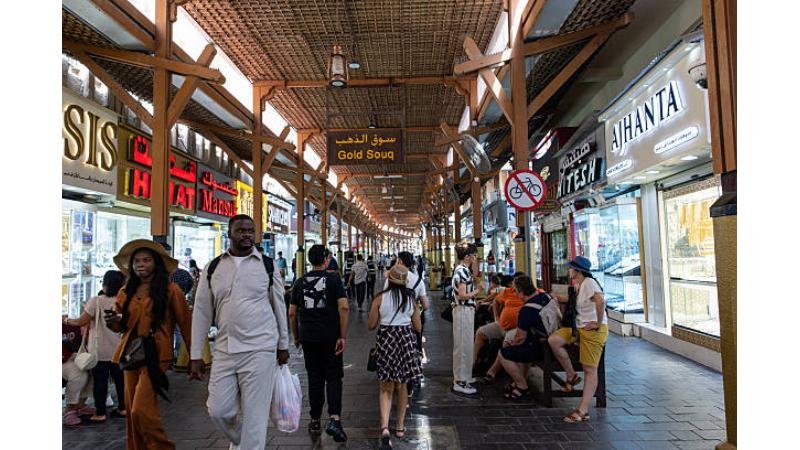
- Deira Gold Souk
- Spice Souk
- Meena Bazaar
- Souk Madinat Jumeirah
Traditional markets can provide a different shopping experience from Dubai’s large modern malls.
Practical Dubai Travel Tips
Dress Respectfully
Dubai is modern and international, but visitors should still respect local customs. Dress more conservatively when visiting religious or culturally sensitive places.
Stay Hydrated
The climate can become very hot. Carry water and plan outdoor activities sensibly.
Plan Around Distance
Two attractions may look close on a map but still require significant travel time because of roads and traffic.
Book Popular Experiences Early
Major attractions and popular experiences can become busy during high-demand periods.
Check Opening Times
Attraction schedules can change. Always confirm current opening hours before visiting.
Keep Some Flexibility
A realistic itinerary should leave time for meals, traffic, rest, and unexpected changes.
Experience-Based Dubai Planning Tips
A common planning mistake is trying to visit attractions from completely different parts of Dubai on the same day.
A better approach is to group attractions geographically.
For example, combine Burj Khalifa and Dubai Mall on one day. Explore Dubai Marina, JBR, and Palm Jumeirah together. Keep Old Dubai attractions such as Al Fahidi, Dubai Creek, and the souks for another day.
This approach reduces unnecessary transportation and gives you more time at each destination.
Another useful tip is to balance expensive attractions with free or low-cost experiences. Beaches, neighborhood walks, creek views, and traditional areas can add variety without increasing your budget significantly.
Is Dubai Good for Families?
Yes. Dubai offers many family-friendly attractions, beaches, entertainment venues, shopping destinations, and indoor activities.
Families should consider travel time between attractions when planning each day.
During hotter months, indoor attractions can be more comfortable than long outdoor sightseeing sessions.
Is Dubai Expensive?
Dubai can be expensive, but the total cost depends heavily on accommodation, season, transportation, dining, and activities.
Travelers do not need to choose luxury hotels or expensive restaurants for every part of the trip.
A mixed itinerary can combine affordable local food, public transportation, free attractions, and a few paid experiences.
Frequently Asked Questions
What is the best month to visit Dubai?
November through March is generally popular for outdoor sightseeing because temperatures are more comfortable than during the hottest summer months.
How many days are enough for Dubai?
Four to seven days are enough for a first trip covering major attractions. A longer stay allows a slower itinerary.
What are the best places to visit in Dubai?
Burj Khalifa, Dubai Mall, Dubai Marina, Palm Jumeirah, Dubai Creek, Al Fahidi, Dubai Frame, Jumeirah Beach, and the desert are strong choices.
Is Dubai good for first-time travelers?
Yes. Dubai has extensive tourism infrastructure, numerous accommodation choices, organized attractions, and multiple transportation options.
Can I visit Dubai on a budget?
Yes. Use public transportation, choose reasonably priced accommodation, eat at local restaurants, and balance paid attractions with free activities.
Do I need a visa for Dubai?
It depends on your nationality and circumstances. Travelers should check current UAE government visa requirements before departure.
Final Thoughts
Dubai offers far more than skyscrapers and luxury shopping. A well-planned trip can combine modern architecture, beaches, desert landscapes, traditional markets, local food, and cultural experiences. For a first visit, focus on Downtown Dubai, Dubai Marina, Palm Jumeirah, Old Dubai, and a desert experience.
The most important planning tip is to organize your days by location. This saves travel time and lets you experience Dubai at a more comfortable pace. With the right itinerary, Dubai can work equally well for a short city break, a family holiday, a couple’s trip, or a longer Middle Eastern adventure.