
By the Travelora team | Updated October 2026
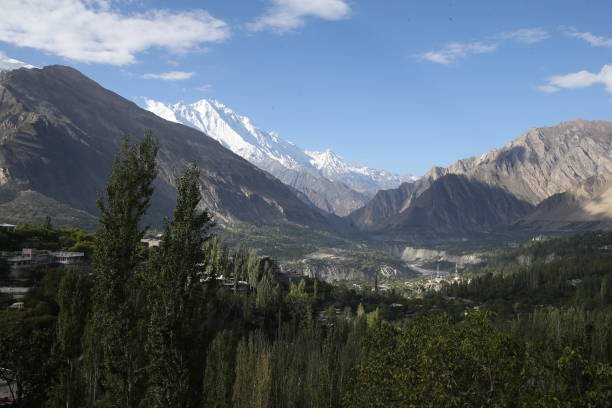
Hunza is a mountain valley in Gilgit-Baltistan, in the far north of Pakistan, where the Karakoram range rises above terraced fields, orchards, old forts and turquoise lakes. It is one of the most visited destinations in the country, and for good reason: the scenery is dramatic, the roads are accessible for most of the year, and the local culture is welcoming. This guide covers everything you need to plan a trip, from the best time to go to the route, the places worth your time, a sample itinerary, and a realistic budget.
Hunza at a Glance
- Region: Gilgit-Baltistan, northern Pakistan
- Main base: Karimabad (also called Baltit), with Aliabad and Altit nearby
- Main road: The Karakoram Highway (KKH)
- Best for: Mountain views, forts, lakes, short treks, photography, culture
- Ideal trip length: 4 to 6 days from Islamabad, including travel
Best Time to Visit Hunza
Hunza changes completely with the season, so the best time depends on what you want to see.
April to May: spring blossom. Apricot and cherry trees flower across the valley, and the weather is mild. This is a favorite season for photographers. Nights can still be cold.
June to August: summer. Days are pleasant compared with the plains, and almost all roads and viewpoints are accessible. This is also the busiest and most expensive period, so book hotels early. Heavy rain or glacial melt can occasionally cause landslides and road blockages on the KKH.
September to October: autumn. Many travelers consider this the best window. The skies are clear, crowds are thinner, and the valley turns gold and red in October. Evenings get cold quickly.
November to March: winter. Hunza is very cold, and snow can close some roads and passes. Some hotels and restaurants shut down for the season. Winter suits experienced travelers who are comfortable with the cold and with uncertain road conditions.
How to Get to Hunza
By road from Islamabad
The most common route follows the Karakoram Highway from Islamabad through Abbottabad, Mansehra, Besham and Chilas to Gilgit, and then on to Karimabad. The journey is long, usually 14 to 18 hours or more depending on traffic, road work and stops. Most people split it into two days with a night in Chilas or Gilgit, which is more comfortable and safer than driving through the night.
Gilgit to Karimabad is roughly 100 km and normally takes two to three hours.
By air
Flights operate between Islamabad and Gilgit, and the flight is short compared with the road journey. However, flights in this region depend heavily on weather and are often delayed or cancelled. If you fly, keep a few spare days in your plan and have a backup road option.
By bus or private vehicle
Public and coach services run from Islamabad and Rawalpindi toward Gilgit. A private car or hired jeep with an experienced driver gives you flexibility to stop at viewpoints, and it is the preferred option for families and small groups.
Road conditions and travel advisories change often, so check the latest situation before you leave.
How Many Days Do You Need?
- 4 days: A rushed trip. Possible only if you fly or travel fast, and you will see the main highlights only.
- 5 to 6 days: The sweet spot for most travelers, covering Upper and Lower Hunza at a comfortable pace.
- 7 days or more: Allows for Khunjerab, Passu and Gojal, short treks, and spare time for weather delays.
-
Top Places to Visit in Hunza
Baltit Fort
A centuries-old fort above Karimabad, restored and open to visitors as a museum. It gives a good view over the town and the valley, and it is the best place to understand the history of the old Hunza ruling family.
Altit Fort
Older than Baltit Fort and located in the village of Altit, a short drive away. The surrounding old village is pleasant to walk through.
Eagle’s Nest (Duikar)
A hilltop viewpoint above Karimabad that is popular for sunrise and sunset. On a clear day you can see Rakaposhi, Ultar Sar and several other major peaks. Go early in the morning for the best light.
Attabad Lake
This turquoise lake was formed after a major landslide in 2010 blocked the Hunza River. It is now one of the best-known sights in the valley, with boat rides available. The road passes through tunnels built after the landslide.
-
Passu Cones and Passu Glacier
The jagged, cone-shaped peaks near Passu are among the most photographed views in Pakistan. A walk toward Passu Glacier is a good half-day activity.
Hussaini Suspension Bridge
A long, rickety-looking footbridge across the Hunza River near Hussaini. Many visitors walk part of it for photos. Be careful, step slowly, and do not rush if the wind is strong or if you are uncomfortable with heights.
Khunjerab Pass
The high-altitude border crossing with China, among the highest paved border crossings in the world. It is typically open only for part of the year and can close due to snow or other reasons, so confirm access before planning around it. The altitude is high, so take it slowly and watch for headaches or dizziness.
Rakaposhi Viewpoint
A roadside viewpoint with a clear look at Rakaposhi, a tall and impressive peak. It is an easy stop between Gilgit and Karimabad.
Sample 5-Day Hunza Itinerary
Day 1: Islamabad to Chilas. Travel along the KKH, stopping for lunch and tea. Overnight in Chilas, or push on to Gilgit if the road is clear.
- Day 2: Chilas to Karimabad. Continue to Gilgit, stop at the Rakaposhi viewpoint, and reach Karimabad by evening. Rest and walk around the bazaar.Day 3: Karimabad local sightseeing. Visit Eagle’s Nest for sunrise, then Baltit Fort and Altit Fort. Spend the afternoon at the bazaar and enjoy local food.Day 4: Attabad Lake and Passu. Drive up to Attabad Lake, continue to Passu for the cones and glacier views, and cross the Hussaini bridge if you wish. Return to Karimabad or stay overnight in Passu.Day 5: Return toward Gilgit or Chilas. Start early. Add extra days if you want to visit Khunjerab Pass.
Where to Stay in Hunza
Karimabad is the best base for most travelers, with the widest range of hotels, restaurants and shops. It also has the best views of the surrounding peaks. Aliabad is a good practical alternative and slightly less touristy. Altit offers a quieter, village-like stay. Passu and Gulmit are better if you want to focus on the upper valley.
Options range from basic guesthouses to mid-range hotels with valley views. Book ahead in June to August and during public holidays, since demand is high.
What to Eat in Hunza
Hunza cuisine is simple and hearty. Look for:
- Chapshuro: a local meat-filled bread, similar to a pie
-
- Diram fitti: a traditional sweet made from wheat flour, often eaten with apricot oil or butter
- Apricot products: dried apricots, apricot jam and apricot oil are widely sold
- Walnut cake and local tea: popular in cafes in Karimabad
Dishes and availability vary by season and by restaurant, so ask locals for recommendations.
Approximate Budget for a Hunza Trip
Costs depend on the season, group size and comfort level, and prices change often, so treat the figures below as rough planning ranges only and confirm current rates before you book.
Expense Budget traveler Comfort traveler Hotel, per room per night PKR 4,000 to 8,000 PKR 10,000 to 25,000 Meals, per person per day PKR 1,500 to 2,500 PKR 3,000 to 5,000 Private car or jeep with driver, per day PKR 15,000 to 25,000 PKR 25,000 to 40,000 Entry fees and activities PKR 500 to 2,000 PKR 2,000 to 5,000 Sharing a vehicle and a room between several people reduces the cost significantly. Add a buffer of at least 10 to 15 percent for fuel increases, delays and unplanned stays.
- Practical Travel Tips
- Check road and weather updates before every leg of the trip. Landslides and heavy rain can close sections of the KKH.
- Avoid night driving on mountain roads. Plan to arrive before dark.
- Carry cash. ATMs and card payment are limited or unreliable in many areas, and mobile networks can be patchy.
- Pack in layers. Even in summer, nights are cool, and in autumn and spring they are cold.
- Take altitude seriously. If you plan to go to Khunjerab, rest, drink water and avoid rushing.
- Dress respectfully and ask before photographing people. This is a conservative area, and a little courtesy goes a long way.
- Leave no trash. Carry your waste with you and avoid littering lakes and viewpoints.
- Keep spare days. Weather and roads are unpredictable, and a flexible plan makes the trip far more enjoyable.
Frequently Asked Questions
Is Hunza safe for tourists and families? Hunza is generally considered one of the more welcoming and peaceful tourist areas in Pakistan, and many families and solo travelers visit each year. As with any trip, check the latest travel advisories, travel in daylight and use a trusted driver.
- How long does it take to reach Hunza from Islamabad? By road it usually takes 14 to 18 hours or more, and most travelers break the journey into two days.Do I need a permit to visit Hunza? Requirements can change, and they differ for foreign and Pakistani visitors. Check the current rules with local authorities or your tour operator before you travel.What is the best month to visit Hunza? April to May for spring blossom and September to October for autumn colors are both excellent choices. Summer is best if you want maximum accessibility.
- Can I visit Hunza in winter? Yes, but it is very cold, some facilities are closed, and roads may be affected by snow. It suits experienced travelers.
Final Thoughts
Hunza rewards travelers who give it enough time. Plan your route in advance, keep your schedule flexible, travel in the right season, and you will see one of the most beautiful regions in Pakistan. Check the latest weather and road conditions before departure, and enjoy the journey as much as the destination.
Note: Prices, road conditions and opening times change often. This guide is for general planning, so confirm details before you travel.